The Christina Lake watershed is a vibrant tapestry of life, home to a remarkable diversity of plant and animal species. However, this rich biodiversity is fragile. A staggering 205 species within our watershed are currently listed as endangered or at risk. The Wildlife and Species at Risk Monitoring Program is a cornerstone of the Christina Lake Stewardship Society’s (CLSS) commitment to understanding, protecting, and preserving this precious natural heritage for future generations.
The Importance of Monitoring: Knowledge is the First Step to Conservation
Effective conservation is impossible without accurate information. The primary goal of our monitoring program is to answer a fundamental question: “What do we have in our area?” By gathering comprehensive data on the presence, distribution, and behaviour of wildlife, we can manage our local species properly and make informed decisions to protect them.
How We Monitor Our Local Wildlife
Our approach combines traditional fieldwork with modern technology to create a holistic picture of our ecosystem.
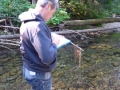
- Field Surveys and Observations: Our trained staff and volunteers conduct surveys to document sightings of key species, identify important habitats, and note signs of wildlife activity.
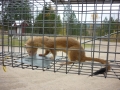
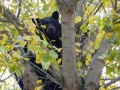
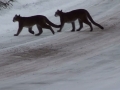
- Trail Camera Technology: We have strategically incorporated the use of motion-activated trail cameras throughout the watershed. These cameras provide a unique, non-invasive window into the secret lives of our most elusive wildlife, allowing us to observe natural behaviours without the disturbance of human presence. This technology helps us identify critical wildlife corridors, understand habitat usage, and monitor species that are rarely seen.
- Citizen Science: We encourage community members to report their wildlife sightings, contributing valuable data to our growing knowledge base.
A Focus on Critical Habitats and Species at Risk
While we monitor all wildlife, we place a special emphasis on areas and species that are particularly vulnerable.
The Christina Lake Nature Park: An Invaluable Sanctuary
One of the last significant undeveloped areas at Christina Lake is the Nature Park. This area is an ecological jewel, providing invaluable habitat for a vast array of species.
- Critical Breeding Grounds: The park serves as a vital breeding area for numerous bird, mammal, and reptile species.
- A Haven for Species at Risk: It is home to many of the 205 species at risk found within our watershed, including the magnificent Gopher Snake.
- Essential Feeding and Resting Area: The park acts as an important stopover and foraging ground for migratory and wide-ranging animals.
Protecting this and other critical wildlife habitats is paramount. By preserving these natural sanctuaries, we can take direct action to prevent the local extinction of our most vulnerable species.



Key Species at Risk in the Christina Lake Watershed
Our monitoring efforts help us protect a variety of species that are facing threats to their survival.
| Species Name | Status (BC) | Key Threats | CLSS Conservation Actions |
| Gopher Snake | Blue-listed (Special Concern) | Habitat loss and fragmentation, road mortality, human persecution. | Protecting critical habitat in the Nature Park, public education to reduce fear and persecution. |
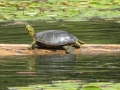
| Western Painted Turtle | Blue-listed (Special Concern) | Habitat degradation (loss of nesting sites), road mortality, predation of eggs. | Monitoring nesting sites, installing protective fencing, shoreline restoration projects. |
| Bighorn Sheep (California) | Blue-listed (Special Concern) | Habitat loss, disease transmission from domestic sheep, highway collisions. | Monitoring herd movements with trail cameras, advocating for wildlife corridors and overpasses. |
| Lewis’s Woodpecker | Red-listed (Endangered) | Loss of mature cottonwood and ponderosa pine forest habitat due to logging and development. | Habitat assessments, protecting veteran trees, public awareness campaigns. |
| American Badger | Red-listed (Endangered) | Habitat fragmentation, loss of prey (ground squirrels), road mortality. | Using trail cameras to identify den sites and movement corridors, promoting habitat connectivity. |
Mitigating Human-Wildlife Conflict Through Education
A core component of our wildlife program is proactive education to mitigate human-wildlife conflicts. Christina Lake is a hub for animals, and learning to coexist safely and respectfully is essential for the well-being of both our community and our wild neighbours.
WildSafeBC (Bear Aware) Program
In partnership with WildSafeBC, we are proud to be the community’s resource for wildlife safety education.
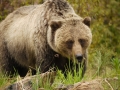
- Summer Education Sessions: We host regular WildSafeBC (formerly known as Bear Aware) presentations throughout the summer. These engaging, all-ages sessions are held at our Interactive Gallery and are free for the public.
- Practical, Life-Saving Information: Participants learn crucial information on how to be safe in the wild and, just as importantly, how to keep wildlife safe by properly managing attractants.
- Topics Covered Include:
- The “Bear Essentials” of bear safety at home and on the trail.
- How to react during a close-range encounter with a bear, cougar, or other large animal.
- The importance of managing garbage, compost, fruit trees, and bird feeders to prevent attracting wildlife into residential areas.
- Living and recreating safely in a landscape shared with diverse wildlife.
By fostering a “wildlife-aware” community, we can significantly reduce the number of negative encounters, which ultimately protects both people and the animals that call this beautiful watershed home.